How Much Does Concrete Leveling Cost – Facts & Figures
You’ll typically pay between $600 and $1,800 to level residential concrete, with costs averaging $5 to $15 per square foot depending on project size and method. Driveways, patios, and sidewalks each have distinct price ranges.
Difficult site conditions or restricted access can hike costs 20 to 50%. Foam injection tends to cost more but offers precision. Mudjacking is cheaper but less accurate.
Understanding these factors helps you make smarter budgeting choices if you want an all-inclusive cost overview. It’s good to know what you’re getting into before you start the project.
How Much Does Concrete Leveling Cost in 2026?
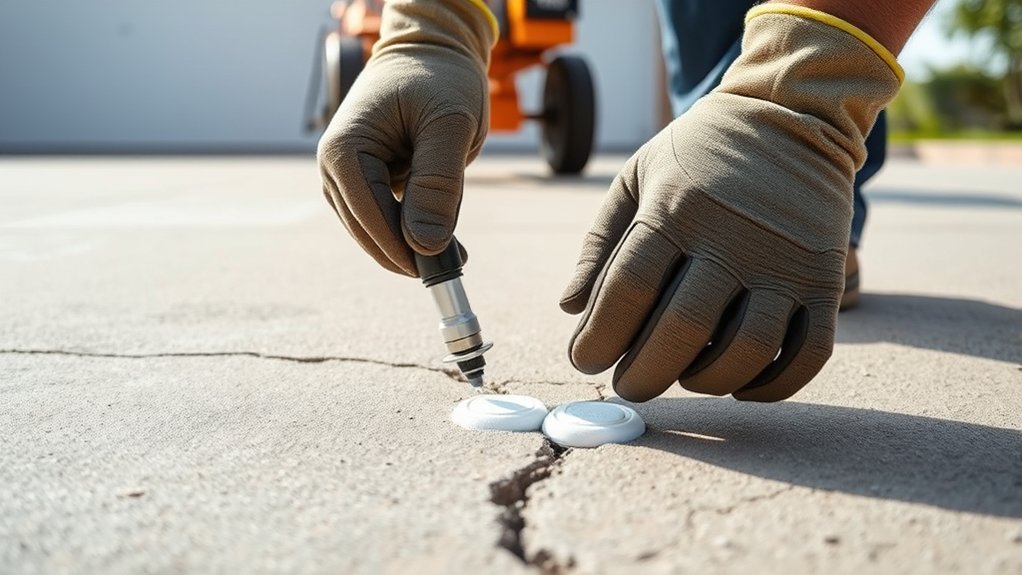
Wondering how much concrete leveling will cost you in 2026? The average price for residential projects ranges between $600 and $1,800.
Concrete leveling costs typically fall between $5 and $15 per square foot, influenced by the chosen method.
Foam leveling, for instance, runs about $10 to $15 per square foot, while mudjacking is more affordable, averaging $5 to $8 per square foot.
Keep in mind, a minimum service fee usually applies, typically from $300 to $600, regardless of project size.
Larger surfaces like driveways or patios drive up costs due to increased labor and materials.
Understanding these precise figures helps you plan your budget effectively for concrete leveling in 2026 without surprises.
What Factors Affect Concrete Leveling Prices?
You’ll find that the size of your project plays a big role in the cost. Bigger areas need more materials and labor, which naturally adds up.
Then, the method and materials used for leveling also make a difference. Some options cost more but last longer, so it really depends on what you’re looking for.
On top of that, if the area is hard to reach, it can make the job trickier and push the price higher.
Plus, where you live matters because labor rates vary from place to place.
Project Size Impact
How much you’ll pay for concrete leveling depends largely on the size and complexity of your project. The project size directly influences the cost of concrete leveling because larger slabs require more materials and labor.
The total area you need leveled matters, but scale can work in your favor. Extensive projects with multiple slabs often lower the cost per square foot due to economies of scale.
However, deeper voids beneath the slab increase expenses since they demand more lift and material. Also, restricted site access or tight spaces can raise costs by requiring specialized equipment or extra labor.
Understanding how these factors tied to project size affect pricing helps you anticipate the final cost and plan your budget efficiently. It’s all about knowing what to expect so you’re not caught off guard.
Material And Method
Because the method and materials you choose directly affect both cost and outcome, understanding their roles in concrete leveling is essential.
Leveling costs depend heavily on whether you opt for mudjacking, averaging $3 to $6 per square foot, or polyurethane foam injection, which runs $5 to $25 per square foot.
Material selection is critical. Polyurethane foam, though pricier, offers superior durability and a longer lifespan compared to the natural limestone slurry used in mudjacking.
Also, the depth of voids and required lift influence material volume, which directly impacts costs.
Don’t overlook crack repair and sealant materials. They add to expenses but ensure long-term stability.
Accessibility And Location
Where your concrete slab sits and how accessible it is can really affect the cost of leveling. If the site has limited access or obstacles like landscaping, labor costs usually go up. You might even need specialized equipment, which can raise the overall cost by 20-50%.
If the location is remote, expect higher transportation and fuel expenses. On top of that, areas with higher labor rates or stricter regulations tend to push prices up. Knowing these accessibility factors helps you get a better idea of what the costs might be.
| Factor | Impact on Cost | Notes |
|---|---|---|
| Narrow Spaces | +20-50% | Requires manual labor or small tools |
| Obstacles (e.g., trees) | Increased labor time | Slower work increases labor rates |
| Remote Location | Higher transportation cost | Fuel and travel time add expenses |
| Site Access | Affects equipment choice | Limited access may need specialized gear |
| Labor Rates | Varies by region | Higher wages increase total project cost |
Typical Concrete Leveling Costs for Common Projects
Wondering what typical concrete leveling costs look like for common residential projects? You’ll find that concrete leveling costs generally range from $600 to $1,800, influenced by project size and method.
Driveway leveling, for instance, typically runs between $700 and $2,000, depending on surface area and settlement extent.
Sidewalk repairs cost $300 to $800, scaling up with multiple sections or severe sinking.
Patio leveling ranges from $500 to $1,500, based on complexity and size.
Garage floor leveling can reach $800 to $2,500, reflecting severity and scope.
Leveling price per square foot varies accordingly. Foam leveling, a popular method, often optimizes costs by reducing material and labor time.
It makes for an efficient choice for projects like driveway leveling.
How Minimum Charges and Site Access Affect Concrete Leveling Costs
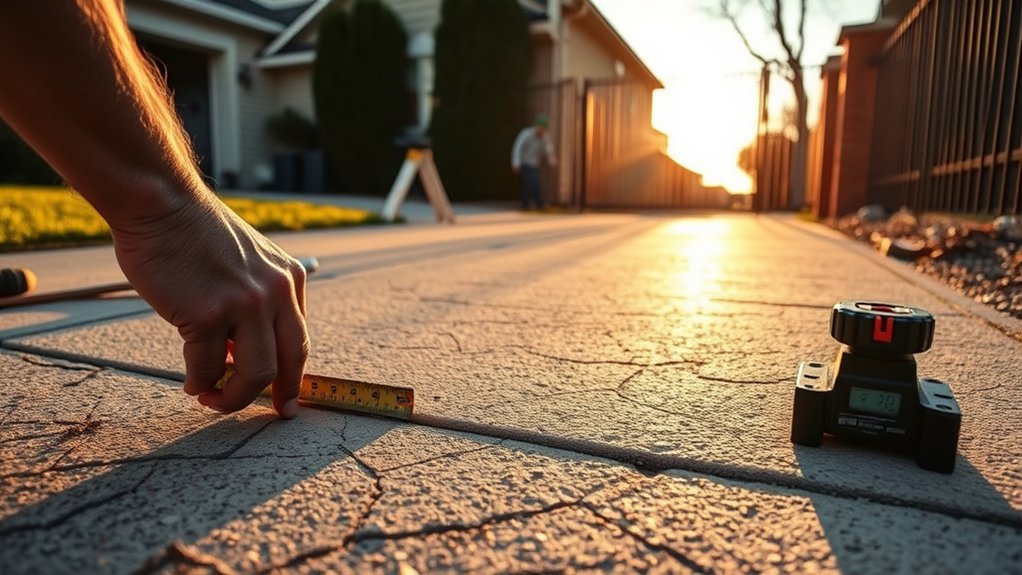
You’ll often see minimum charges anywhere from $300 up to $2,000. These fees cover fixed costs no matter how big or small the project is, which can make smaller repairs feel a bit pricey.
Then there’s site access to think about. If the area is tight or the terrain’s tricky, it usually means more work or special equipment is needed, which can push the costs higher.
Minimum Cost Factors
A concrete leveling project often involves minimum charges that typically range from $300 to $2,000, reflecting fixed costs like equipment and labor. These minimum charges cover essential expenses regardless of the project’s scale. That means even small repairs, like lifting a single slab, fall within this cost bracket.
Site access plays a critical role in determining your minimum cost. If the area is hard to reach or has limited space, contractors might need specialized equipment or extra labor, which can increase these fixed costs.
This can push minimum charges higher to keep the project viable. Understanding how minimum charges, fixed costs, and site access work together helps you anticipate upfront expenses accurately.
This way, you can plan your concrete leveling project without any unexpected financial surprises.
Impact Of Site Access
Site access markedly influences concrete leveling costs by affecting labor time, equipment needs, and overall project complexity. When site access is restricted, expect a cost increase due to longer project duration and specialized equipment.
Work restrictions, such as tight spaces or landscaping obstacles, often lead to higher minimum charges and additional fees. Understanding these factors helps you anticipate budget adjustments.
| Site Access Condition | Impact on Cost |
|---|---|
| Difficult access | Increased labor time |
| Obstructed entry | Specialized equipment |
| Tight spaces | Higher minimum charge |
| Steep slopes | Extra setup fees |
| Landscaping obstacles | Extended project duration |
Fixed Versus Variable Costs
How do fixed and variable costs interact to shape your concrete leveling expenses? Fixed costs, often bundled into a minimum charge ranging from $300 to $2,000, cover essentials like equipment mobilization and initial labor. These costs impact your total project expenses no matter the slab size.
Variable costs change depending on site conditions. For example, difficult access or obstacles can increase labor time and might require extra equipment, which drives costs up. These site-specific challenges directly affect variable costs, making your final price sensitive to how easy it’s to get to the site.
Contractors usually adjust their pricing based on how accessible the site is. So, jobs that are easier to access generally have lower combined fixed and variable costs.
Understanding this balance helps you predict project expenses more accurately, especially for smaller jobs where the minimum charge makes up most of the cost.
What Are the Prices of Different Concrete Leveling Methods?
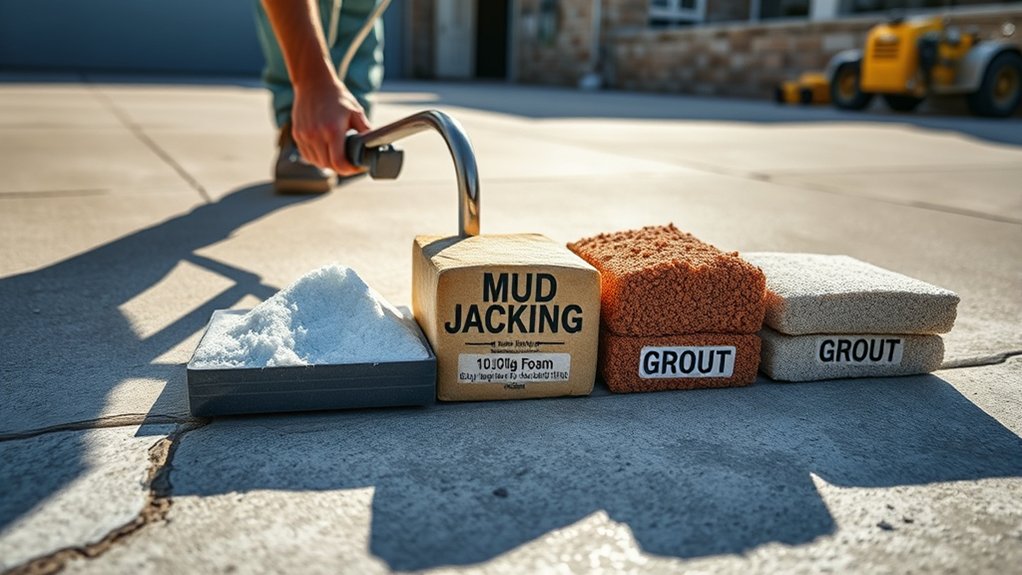
Three common concrete leveling methods—foam injection, mudjacking, and stone slurry grout—differ considerably in cost and application. Foam concrete lifting costs $5–$25 per square foot, offering precise, durable lifts. Mudjacking, at $3–$6 per square foot, is more affordable for smaller areas but less precise.
Stone slurry grout leveling is priced from $750 to over $6,000, typically averaging $1,100–$1,500, depending on project complexity.
| Method | Price Range |
|---|---|
| Foam Injection | $5 – $25 / sq. ft. |
| Mudjacking | $3 – $6 / sq. ft. |
| Stone Slurry Grout | $750 – $6,000+ total |
| Average Slurry Job | $1,100 – $1,500 |
Your concrete leveling cost depends on size, complexity, and materials, so choose based on project needs and budget.
Is Concrete Leveling Cheaper Than Replacing Your Concrete?
Understanding the costs of different concrete leveling methods helps when deciding between leveling and replacing your concrete.
Concrete leveling, including foam concrete lifting, typically costs between $600 and $1,800. That’s about 50% to 80% less than a full concrete replacement.
Replacement involves demolition, new materials, and extended labor, so it naturally costs more.
If you’re dealing with minor unevenness or small cracks, concrete leveling will cost less and provide an effective fix without the expense of full replacement.
Foam concrete lifting, in particular, offers a durable, affordable solution that minimizes downtime.
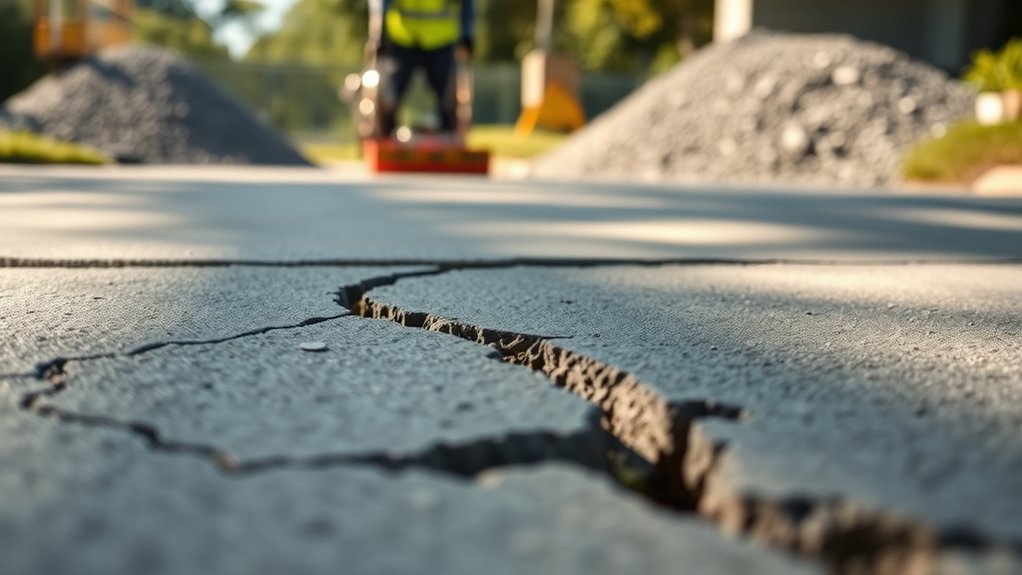
However, if the slab is severely damaged or structurally compromised, replacement may be necessary.
In most cases, though, concrete leveling is the more economical choice for maintaining your concrete’s integrity.
How Can You Get Accurate Concrete Leveling Estimates and Save Money?
When you want to secure accurate concrete leveling estimates and save money, gathering multiple on-site quotes from professional contractors is essential. These experts assess your project’s size, scope, and accessibility, which directly influence cost estimates.
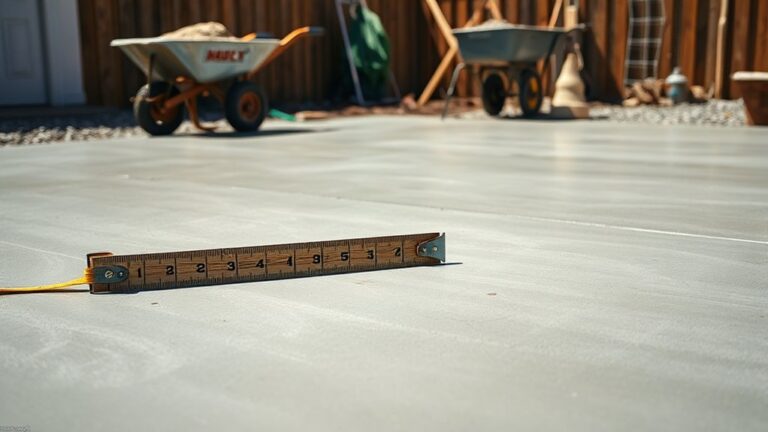
Use precise tools like a Rotary Laser Level Kit to measure uneven surfaces accurately, improving estimate reliability.
Compare repair methods such as mudjacking and foam injection to identify the most cost-effective solution for your situation. Always request detailed quotes itemizing materials, labor, and potential extra charges to avoid surprises.
By analyzing these factors and consulting several contractors, you guarantee transparent budgeting and effective saving money strategies.
This methodical approach assures you get fair pricing tailored to your concrete leveling needs without unnecessary expenses. It’s all about being thorough and informed so you don’t end up paying more than you should.
Taking these steps really helps keep the project on track and within your budget.
Frequently asked questions
How Long Does Concrete Leveling Typically Take to Complete?
Concrete leveling typically takes a few hours to complete for most residential slabs.
If you’re fixing a smaller area, like a single step, expect it to take about 1 to 2 hours.
Larger surfaces, such as driveways or patios, might require several hours or even a full day, depending on size and accessibility.
You’ll usually have the surface ready to use the same day, as professionals aim for quick, efficient work.
Are There Any Warranties for Concrete Leveling Services?
Yes, you’ll often get warranties with concrete leveling services. Polyurethane foam methods usually offer longer warranties, up to 5 years, because they’re more durable.
Mudjacking warranties tend to be shorter, around 1 to 3 years.
Be sure to read the fine print. Warranties typically cover repairs and materials but might exclude damage from soil erosion or water.
Some contractors also require annual inspections to keep your warranty valid.
Can Concrete Leveling Be Done in Cold or Wet Weather?
You can’t pour concrete like warm honey on a chilly morning. Cold or wet weather makes leveling more complicated. Materials struggle to cure properly below 50°F.
Moisture also gets in the way of adhesion, which puts your repairs at risk of being weak. Some foam injections can work if they’re specially formulated for cold conditions. But keep in mind, drying times will be longer, and delays are likely.
You’ll want a skilled contractor who knows how to adjust their methods and timing. That way, your concrete will level properly and hold up well despite the weather challenges.
How Soon Can You Use the Leveled Concrete After Repair?
You can typically use leveled concrete within 24 to 48 hours after repair, depending on the method.
If foam injection is used, you might walk on it within a few hours because it cures quickly.
Mudjacking usually needs up to 48 hours before it’s fully stable.
Avoid heavy loads or driving until your contractor confirms the surface has cured properly.
Following their guidance is the best way to make sure your repair lasts longer and stays safe.
Does Concrete Leveling Prevent Future Settling or Damage?
Yes, concrete leveling helps prevent future settling and damage by stabilizing the slab and filling voids beneath it. You’ll reduce water infiltration and soil erosion, which are key causes of ongoing movement.
However, it doesn’t eliminate all underlying soil issues, so you should monitor the area and maintain repairs regularly to extend the slab’s lifespan. Proper early intervention after leveling is essential to minimize further damage and settling risks.
Final Thought
Understanding concrete leveling costs helps you plan better, compare methods, and choose wisely. You’ll factor in project size, site access, and minimum charges to avoid surprises.
You’ll weigh concrete leveling against replacement, considering both price and durability. It’s important to seek accurate estimates to save money and guarantee quality work.
By staying informed and analytical, you’ll make smart decisions, control expenses, and get the best value for your concrete leveling project in 2026.
More Concrete Cost & Pricing Guides
- How Much Does Stamped Concrete Cost
- How Much Is a 10 Yard Truck of Concrete
- How Much Is a Bag of Concrete
- How Much Is a Pallet of Concrete at Home Depot
See all Concrete Cost & Pricing guides · All concrete resources
Need Concrete in Greater Cleveland?Tri County Concrete delivers ready mix from plants in North Royalton and Twinsburg, Ohio. Request a quote or call 440-582-1100.