How Much Is A 10 Yard Truck Of Concrete – Here’s the Math
A 10-yard truck of concrete typically costs between $1,300 and $1,700, averaging $130 to $150 per cubic yard. Prices vary based on mix type, location, and delivery distance. Specialty mixes and peak seasons can drive costs higher.
Delivery fees add up, especially if you’re going beyond 20 miles. There are also surcharges for wait time or additives. Ordering full loads and accurate volumes helps you save money.
Understanding these factors will guide you to smarter budgeting and more efficient project planning. It’s all about knowing what affects the price so you’re not caught off guard.
What Does a 10-Yard Truck of Concrete Cost?

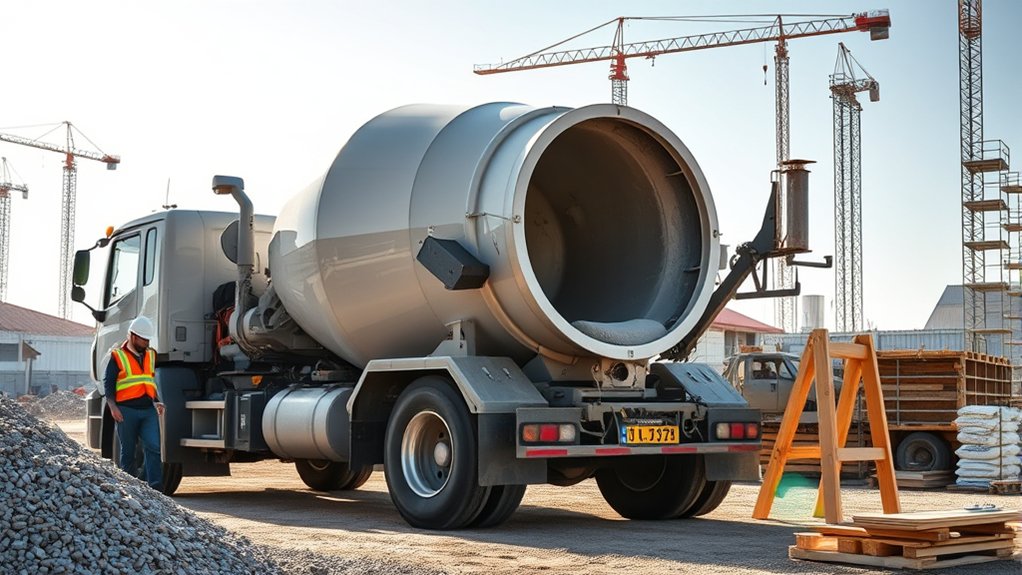
A 10-yard truck of concrete typically costs between $1,300 and $1,700, depending on your location and the mix type you choose. The average cost per cubic yard ranges from $130 to $150 in many regions.
If you opt for high-strength or specialty mixes, expect costs to rise, often exceeding $170 per yard.
Keep in mind, these base prices don’t include delivery fees, which can add roughly $9.75 per mile for distances over 20 miles.
For a standard 10-yard load, anticipate a total cost near $1,300 to $1,500 before surcharges.
Understanding these factors helps you anticipate concrete costs accurately, ensuring your budgeting aligns with regional rates and specific mix requirements.
This clarity prevents surprises in your project’s financial planning.
How to Calculate the Concrete Volume You Need
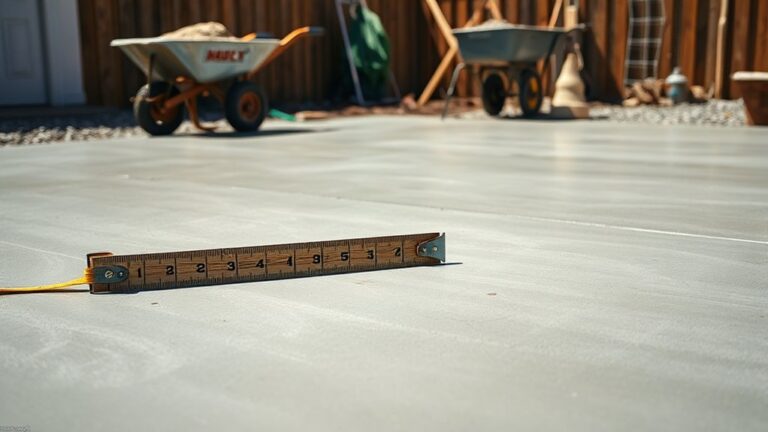
Calculating the concrete volume you need starts by measuring the length, width, and thickness of your project in feet.
Begin by measuring your project’s length, width, and thickness in feet to calculate concrete volume accurately.
First, convert the thickness from inches to feet by dividing by 12.
Next, multiply length, width, and converted thickness to get the total cubic feet of concrete required.
Since concrete is sold by the cubic yard, convert cubic feet to cubic yards by multiplying by 0.037.
To avoid shortages, always order about 10% extra to cover spillage and uneven subgrade.
Knowing this volume helps you estimate concrete costs more accurately, so you don’t overpay or run short.
This precise calculation is essential for budgeting your project effectively and understanding how much material your 10-yard truck order will cover.
How Does Concrete Mix Type Affect Your Total Price?

How much you pay per yard of concrete depends largely on the mix type you select. Concrete pricing depends markedly on strength and composition. Standard 3,000 PSI mixes cost less than higher-strength 5,000 PSI options, which require more materials and processing.
Specialty mixes, like fiber-reinforced or colored concrete, can add $20 to $50 or more per cubic yard because they’re customized.
On the other hand, flowable fill or lightweight mixes often reduce costs but come with specific application constraints.
Using higher-grade or specialty mixes usually means extra testing and quality assurance, which can bump up your total price.
How Location and Season Affect Concrete Prices
You’ll notice that concrete prices change depending on where you live. This happens because things like labor costs and how easy it’s to get materials can vary a lot.
Also, the time of year makes a difference. For example, prices often go up in winter since you might need special mixes and there’s usually more demand.
On top of that, delivery fees increase the farther the concrete has to travel. Typically, you can expect to pay about $10 extra per mile once you go beyond 20 miles, and that adds right onto your total cost.
Regional Price Variations
Although concrete prices typically range from $120 to $150 per cubic yard within a 20-mile radius, your location and the season can substantially impact the final cost. Regional price variations stem from several key factors, highlighting the importance of understanding regional differences when budgeting.
Cold climates drive prices up due to freeze-thaw resistant mixes and delivery surcharges.
Delivery fees rise approximately $9.75 per mile beyond the 20-mile radius, and this can vary by region.
Labor, transportation, and material costs differ depending on where you are, which influences overall pricing.
Plus, local regulations, aggregate availability, and environmental conditions add even more variation to regional prices.
Seasonal Cost Adjustments
Why do concrete prices rise during certain times of the year? Seasonal cost adjustments play a key role.
In colder months, you’ll pay more due to cold-weather admixtures and extra curing needs. In northern states, expect costs 10-20% higher because specialized mixes and heating practices are essential.
Seasonal demand shifts also affect prices: summer construction booms drive up demand, pushing prices and delivery times higher.
Furthermore, extreme weather can increase delivery fees, which further impacts overall costs.
Regional climate differences dictate the concrete mix composition, influencing material expenses and price variability.
Understanding these seasonal cost adjustments helps you better anticipate concrete expenses based on when and where you’re ordering. This way, you can budget and plan your projects more accurately.
Delivery Distance Impact
Seasonal changes affect more than just the mix of concrete; they also influence delivery costs tied to distance and location. When you get concrete delivered, expect costs to rise notably beyond a 20-mile radius from the batch plant.
For example, a 35-mile trip can tack on about $195 to your total.
Cold weather demands special blends, adding $5 to $7+ per cubic yard, which further increases expenses. Regional factors like transportation infrastructure and terrain also play a role.
Plus, higher summer demand may lead to increased fees and scheduling delays.
- Delivery costs increase about $9.75 per mile after 20 miles
- Cold-weather blends add $5–$7+ per cubic yard
- Geographic challenges impact pricing
- Seasonal demand affects fees and timing
Understanding these helps you anticipate the true costs when ordering concrete delivered.
What Delivery Fees and Additional Charges Should You Expect?
You’ll usually start with a base delivery fee.
Then, if your delivery is more than 20 miles away, you can expect extra charges—typically about $9.75 per mile.
On top of that, there might be additional fees for things like weekend or winter deliveries, specialty concrete mixes, or any waiting time.
Knowing all these factors ahead of time can help you get a clear idea of the total delivery cost for your 10-yard concrete order.
Typical Delivery Fee
How much should you expect to pay for delivering a 10-yard truck of concrete? Delivery fees vary based on distance, timing, and order size. Typically, delivery fees start around $9.75 per mile after the first 20 miles. Additional charges can quickly add up, impacting your total cost.
Consider these factors affecting delivery fees: short-load fees or minimum order requirements can increase costs for smaller projects. Wait-time fees may apply if your site isn’t ready when the truck arrives. Weekend or holiday deliveries often incur surcharges, sometimes $8 or more per cubic yard.
Regional transportation challenges and local market conditions influence fees considerably. Understanding these elements helps you anticipate typical delivery fees without surprises. It’s always good to check with your supplier ahead of time so you know what to expect.
Distance-Based Charges
Although base delivery fees cover the initial distances, you’ll face extra charges once your concrete order travels beyond a 20-mile radius. This usually costs around $9.75 per additional mile.
For example, a delivery 35 miles from the plant can add about $195 to your total costs. These distance-based charges increase proportionally, so longer hauls will have a bigger impact on your budget.
Also, some suppliers might charge minimum delivery fees or add surcharges for expedited scheduling, which can affect your overall expense.
Keep in mind, extra charges may apply during weekends, holidays, or cold weather. These often add $8 or more per cubic yard depending on the conditions.
Knowing all this helps you anticipate delivery fees more accurately and plan your expenses better when ordering a 10-yard truck of concrete.
Extra Service Costs
Beyond distance-based charges, several other fees can influence the total cost of your concrete delivery. You should anticipate extra expenses beyond the base price, which can considerably affect your budget.
These additional costs often arise from specific service requirements or timing. Be aware of these common extra expenses:
- Delivery fees over 20 miles typically add about $9.75 per mile.
- Short-load or small order fees, especially for last-minute requests.
- Wait-time charges if the truck is delayed on-site.
- Premium charges for cold-weather mixes or specialty additives, adding $5 to $7+ per cubic yard.
Understanding these potential extra expenses helps you plan accurately and avoid surprises when arranging your 10-yard concrete truck delivery.
When to Order More Than 10 Yards of Concrete
If your project involves more than 10 yards of concrete, you’ll want to order extra to cover spillage, waste, and unexpected needs. Typically, contractors add 10% to 15% beyond the calculated volume of ready mix concrete to guarantee the entire pour completes without delays.
Large projects like driveways or slabs often justify ordering more than 10 yards. Plus, you can benefit from volume discounts and lower delivery costs per yard.
This buffer also helps with variations in mix consistency and site conditions that might increase concrete requirements. By ordering extra, you avoid costly interruptions caused by running out mid-pour and keep your workflow efficient.
In short, ordering more than 10 yards is a smart choice to balance cost savings, reduce risks, and keep your project moving smoothly.
How to Accurately Estimate Your Project’s Concrete Needs
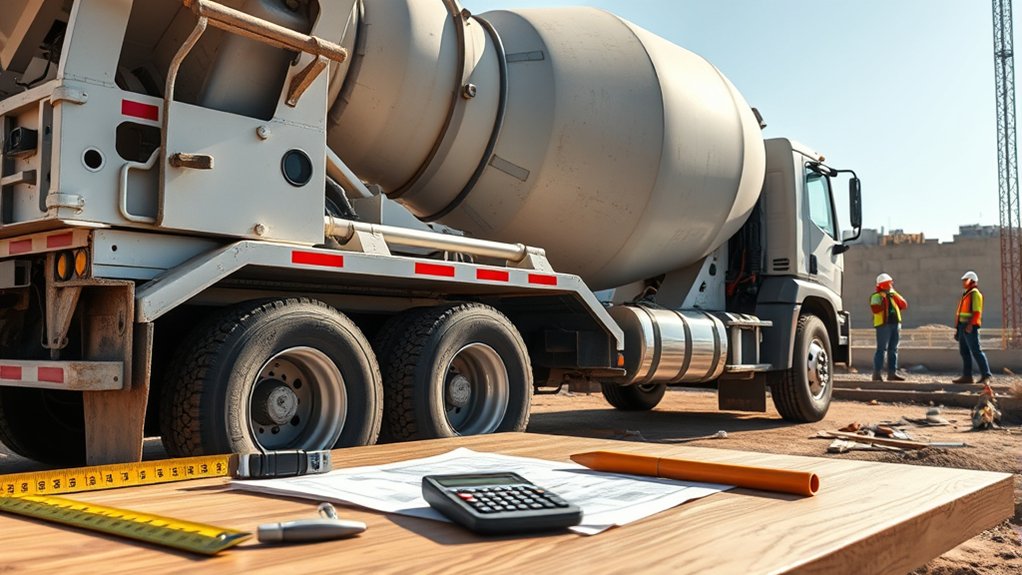
To accurately estimate your concrete needs, start by measuring the length, width, and thickness of the area you plan to pour. Make sure to convert all measurements to feet.
Next, calculate the volume in cubic feet and convert it to cubic yards by dividing by 27. For example, a 10×10 foot slab at 4 inches thick needs about 1.48 cubic yards.
Always add 10% extra to cover spillage and uneven subgrade.
- Measure dimensions precisely in feet
- Multiply length × width × thickness for volume (cubic feet)
- Divide by 27 to get cubic yards
- Add 10% for waste and spillage
This method guarantees you order the right amount of concrete for delivery without shortfalls or excess. It’s a simple way to make sure your project goes smoothly.
Tips for Getting the Best Price on Ready-Mix Concrete
Accurately estimating your concrete needs sets the foundation for securing the best price on ready-mix concrete. Ordering a full 10-yard truck typically lowers the per-yard cost compared to smaller loads.
Always compare quotes from multiple suppliers, factoring in delivery fees to spot the most competitive offer.
Try to schedule your delivery during off-peak times or weekdays to avoid extra charges like wait-time or short-load fees.
It’s also a good idea to opt for standard mixes rather than specialty ones, such as colored or fiber-reinforced concrete, to keep costs down.
Make sure you provide precise project measurements and plan ahead to order the exact amount needed.
This way, you prevent expensive overages or shortages.
Frequently asked questions
How Long Does It Take for Concrete to Fully Cure?
Concrete typically takes about 28 days to fully cure and reach its maximum strength. You’ll notice it sets initially within 24 to 48 hours, but the curing process continues long after.
In the first week, it gains roughly 70% of its strength, so you’ll want to keep it moist and at a stable temperature during this time.
Factors like humidity and mix design can speed up or slow down curing, so monitor conditions closely.
Can I Mix My Own Concrete at Home?
You can definitely mix your own concrete at home, but it’s not exactly easy. You’ll need the right materials: cement, sand, gravel, and water in precise ratios. Plus, a sturdy mixer or container is a must.
For small projects, it’s cost-effective and pretty satisfying. But if you’re dealing with large volumes, it can quickly turn into a real workout.
And don’t forget, giving it the proper curing time is key to getting a strong finish. That’s true whether you mix it yourself or get it delivered ready-made.
What Are the Environmental Impacts of Concrete Production?
You should know concrete production emits about 8% of global CO2, mainly from limestone calcination and energy use. Extracting raw materials harms ecosystems and depletes resources.
Cement manufacturing burns fossil fuels, worsening air pollution. Transport adds emissions too.
To reduce impact, you can opt for mixes using fly ash or slag, which cut CO2 output. Choosing greener materials and efficient practices helps lessen concrete’s environmental footprint considerably.
How Do I Properly Store Leftover Concrete?
Imagine you poured extra concrete for a patio and want to reuse it tomorrow. You can’t just leave it exposed. Instead, store it in a covered, waterproof container to slow hardening.
If it’s already stiffening, no storage helps. You must dispose of it properly.
To keep small amounts workable, cover with damp burlap or plastic.
Always check local disposal rules to avoid fines and environmental harm. It’s important to do this right so you don’t run into trouble later.
Is Concrete Recyclable After Demolition?
Yes, concrete is recyclable after demolition. You can crush it into aggregate, which serves as base material for roads, driveways, or fill.
When you recycle concrete, you reduce landfill waste and lower demand for virgin materials.
Just keep in mind that recycled concrete may have different strength properties than new concrete. So, you’ll want to assess its suitability for your specific project before use.
Recycling also benefits the environment by conserving resources and cutting emissions.
Final Thought
Now that you’ve cracked the concrete code, you’re ready to pour your project’s foundation with confidence. Remember, price varies with mix type, location, and timing, so don’t leave money on the table.
Measure carefully, consider extra costs, and know when to order more than 10 yards. With these tips, you’ll build smart and save big, turning your concrete investment from a guessing game into a solid win.
More Concrete Cost & Pricing Guides
- How Much Is a Bag of Concrete
- How Much Is a Pallet of Concrete at Home Depot
- How Much Is a Yard of Concrete
- How Much Is a Yard of Concrete Delivered
See all Concrete Cost & Pricing guides · All concrete resources
Need Concrete in Greater Cleveland?Tri County Concrete delivers ready mix from plants in North Royalton and Twinsburg, Ohio. Request a quote or call 440-582-1100.