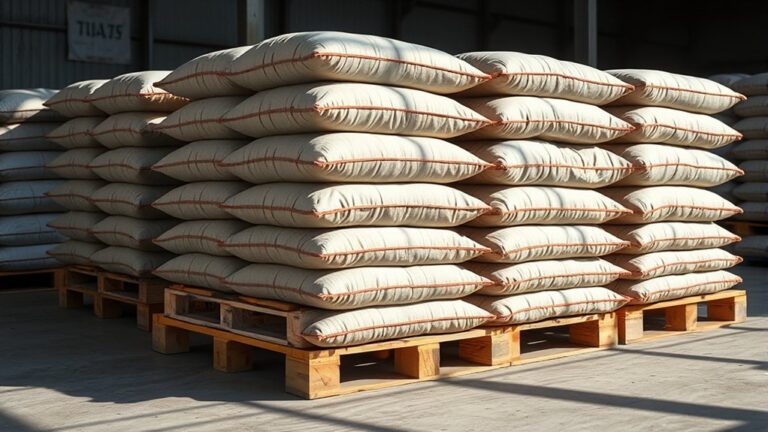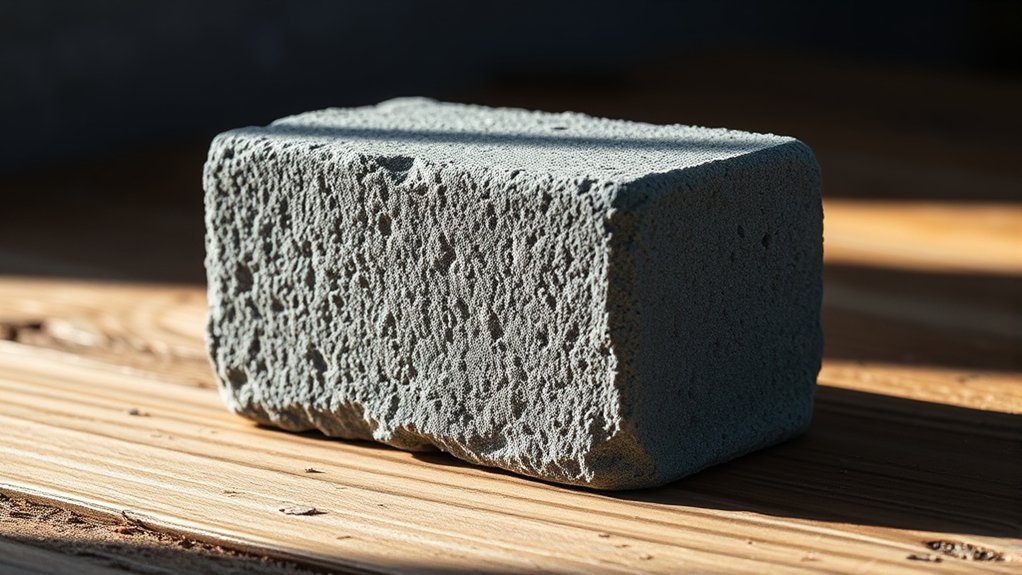
How Much Does A Concrete Block Weigh – Numbers to Know
A standard concrete block typically weighs between 25 and 35 pounds, depending on its size and type. Hollow blocks generally fall within that range. Solid blocks can weigh up to 55 pounds or more because they’re denser.
Lightweight blocks may weigh as little as 18 to 25 pounds. Moisture content can also increase the weight by up to 15%. It’s good to keep these numbers in mind when you’re calculating total loads or planning transport.
You’ll also want to explore what factors influence block weight and learn some safe handling practices. That way, you can manage your materials more effectively and avoid any surprises on the job.
What Is the Average Weight of a Standard Concrete Block?
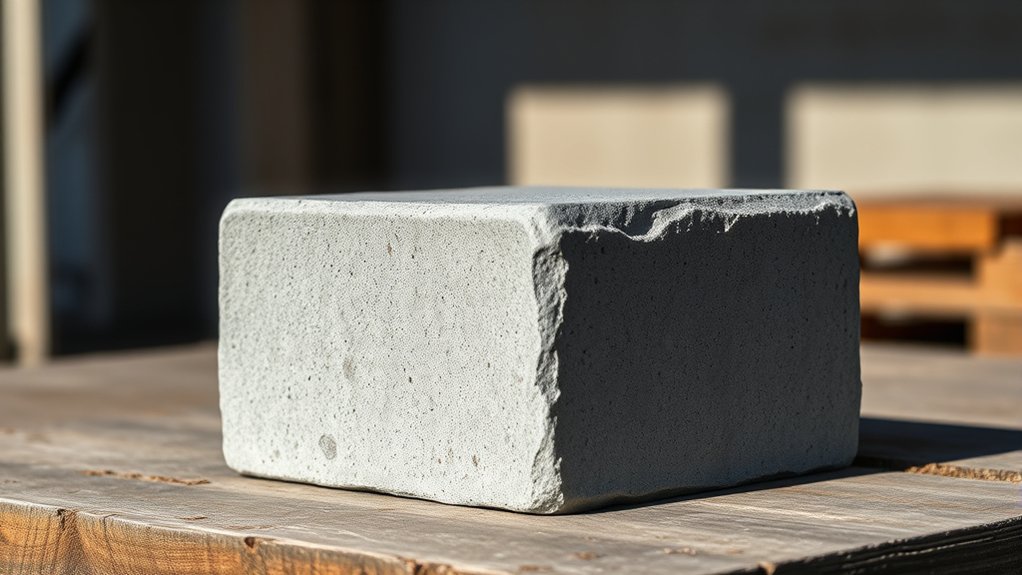
A standard concrete block typically weighs between 25 and 35 pounds (11 to 16 kg), though the exact weight depends on its size, density, and whether it’s hollow or solid.
Concrete block weights vary from 25 to 35 pounds, influenced by size, density, and solidity.
When you consider block dimensions, a common 8x8x16-inch hollow block usually has a concrete block weight around 28 to 32 pounds (13 to 15 kg).
In contrast, solid concrete blocks of identical dimensions can weigh considerably more, ranging from 35 to 55 pounds (16 to 25 kg) due to their greater unit weight.
If you’re working with lightweight concrete, the block weight can decrease further, with some hollow blocks weighing as little as 18 to 25 pounds (8 to 11 kg).
Understanding these variations helps accurately estimate load and handling requirements for construction projects.
Block Size and Type Effects on Concrete Block Weight
Concrete block weight changes considerably based on size and type, which directly impacts how you plan for handling and structural support. Block size, typically measured in dimensions like 8x8x16 inches, determines the volume of concrete used, consequently influencing weight.
Hollow concrete blocks weigh between 25 to 35 pounds because they’ve less material inside, making them easier to handle.
Solid blocks, on the other hand, can exceed 70 pounds since they’re denser and designed for higher structural capacity.
Lightweight concrete blocks are made with expanded aggregates and can weigh as little as 20 pounds. They offer reduced mass while still meeting specific strength requirements.
Understanding how block size and type—whether hollow, solid, or lightweight—affects concrete block weight helps you optimize transportation logistics and ensures proper structural performance without compromising safety or efficiency.
Why Concrete Density Matters for Block Weight

You need to understand how concrete density variations directly influence the weight of a block and its load-bearing capacity. When the density changes, so does the block’s weight, which in turn affects how much load it can safely support.
By accurately measuring density, you can predict block weight with precision and verify structural integrity. This helps ensure that the blocks will perform as expected in any construction project.
Let’s take a look at some common methods for evaluating concrete density and how they impact block performance. Understanding these techniques can make a big difference in choosing the right material for the job.
Concrete Density Variations
Several factors cause variations in density, which directly affect how much a concrete block weighs. Concrete density typically ranges from 110 to over 150 pounds per cubic foot.
Lightweight concrete, often used in non-structural blocks, can reduce block weight with densities as low as 110 pounds per cubic foot.
In contrast, high-strength concrete and load-bearing mixes increase density beyond 150 pounds per cubic foot, resulting in heavier blocks.
These density variations stem primarily from aggregate type, moisture content, and mix proportions. For example, heavier aggregates and higher moisture content raise concrete density, while lightweight aggregates decrease it.
Understanding these factors allows you to anticipate block weight changes accurately. That way, you can ensure proper material selection for your project’s structural and handling requirements.
It’s all about matching the right concrete to the job at hand.
Impact On Load Weight
One key factor affecting load calculations and structural design is the density of the concrete used in blocks. The density of the concrete directly influences the weight of concrete masonry units, including both solid and hollow blocks.
Standard concrete, with a density around 145 lbs per cubic foot, results in heavier blocks that increase the load on structural elements and load-bearing walls.
Conversely, lightweight concrete, typically 110-120 lbs per cubic foot, produces lighter blocks that reduce dead loads, optimizing structural efficiency.
You need to account for these differences when estimating the total load weight, as variations affect handling, transportation, and safety.
Accurately understanding concrete density guarantees precise weight calculations. This enables appropriate design choices and compliance with engineering standards for all types of concrete blocks.
Density Measurement Methods
How do engineers accurately determine the density of concrete used in blocks? They rely on standardized measurement methods to guarantee accuracy in calculating weight. Common techniques include core sampling, where a concrete sample is extracted and analyzed, and water displacement, which measures volume by submerging the sample to find density.
Laboratory testing further refines these measurements, accounting for variables like aggregate type, moisture content, and compaction. Accurate density measurement is critical because concrete density directly influences block weight, affecting load calculations and structural safety.
Moisture Content’s Impact on Concrete Block Weight

Although concrete blocks are typically measured by their dry weight, moisture content can considerably affect their actual mass. Increased moisture absorption can add 10-15% to a block’s dry weight, notably impacting handling and transportation.
Moisture can increase concrete block weight by 10-15%, significantly affecting handling and transport logistics.
The extent of moisture content depends on environmental humidity, curing conditions, and the concrete’s porosity.
Blocks with higher porosity absorb more water, consequently increasing their weight beyond standard dry weight values. This variation requires precise consideration when estimating loads and planning logistics. It’s important to keep this in mind to avoid surprises during transport or use.
Furthermore, excess moisture compromises structural integrity by promoting cracking or weakening over time. To maintain accuracy in weight measurement and ensure safety standards, you must control and monitor moisture content carefully.
Understanding these factors helps you manage concrete blocks effectively in both storage and application phases.
Calculating Total Weight of Multiple Concrete Blocks
When working with multiple concrete blocks, you need to calculate their combined weight accurately to plan for transportation and structural support. The total weight calculation hinges on multiplying the weight of a single block by the number of blocks used. Keep these factors in mind for precise construction planning.
First, account for variations in concrete block weights due to size, density, and hollow core design. Also, include the weight of pallets and packaging in your overall estimate. It’s important to verify the weight of a single block through manufacturer specifications or direct measurement.
Make sure you use accurate counts of the number of blocks to avoid underestimating loads. And don’t forget to ensure total weight calculations align with transportation limits and structural safety requirements.
This method helps you handle concrete blocks efficiently while respecting load constraints. It keeps your project running smoothly without surprises.
How to Determine If Your Concrete Block Load Qualifies as Heavy Hauling
Since heavy hauling involves loads exceeding specific weight thresholds, you’ll need to thoroughly assess the total weight of your concrete block shipment before transport. Start by calculating the concrete block weight multiplied by the number of blocks in your load.
Consider block weights carefully, especially if using larger or denser blocks, as these can rapidly increase total weight.
Next, evaluate load dimensions and weight distribution to verify compliance with vehicle capacity and road safety. Compare your calculated total against legal weight limits for your route, factoring in local regulations.
If your combined load surpasses approximately 20,000 pounds, it likely qualifies as heavy hauling, necessitating specialized equipment and permits.
A precise analysis of these factors ensures safe, legal transportation of your concrete block load. Taking the time to double-check everything upfront will save you headaches later on.
It’s always better to be prepared and compliant than to risk fines or delays.
Key Considerations for Transporting Heavy Concrete Block Loads
After determining whether your concrete block shipment meets heavy hauling criteria, the focus shifts to managing the unique challenges of transporting these substantial loads. Precise transportation planning depends on understanding concrete block weight variations, like hollow blocks weighing 25-35 pounds each.
You need to conduct accurate load calculations, factoring in pallets and packaging to avoid exceeding vehicle capacity.
Using the right handling equipment, such as forklifts or cranes, makes loading and unloading much safer and easier.
Proper stacking and securing of blocks is critical during transit to maintain structural integrity and prevent accidents.
And of course, make sure you comply with all the relevant safety regulations that govern heavy load transport.
- Assess concrete block weight to inform vehicle capacity needs
- Calculate total load accurately, including packaging
- Select handling equipment suited for block size and weight
- Implement stacking and securing protocols for stability
- Verify adherence to transportation safety regulations
How to Safely Handle and Move Concrete Blocks
Although concrete blocks may seem straightforward to handle, safely moving them requires strict adherence to specific protocols to prevent injury and damage. When handling concrete blocks over 50 pounds, use appropriate lifting equipment like forklifts or cranes to minimize manual handling risks.
Always wear personal protective equipment, including gloves and steel-toed boots, to protect against hazards. Plan your route meticulously, making sure pathways are clear to help you transport the blocks safely on-site.
Manage weight by breaking down large loads into manageable quantities. This reduces strain and makes it easier to control the blocks.
For stacking stability, place blocks on level surfaces and secure them properly to prevent shifting or collapse during storage.
These measures collectively optimize weight management, minimize injury risk, and ensure efficient and safe handling of concrete blocks throughout your workflow. Taking these steps really makes the whole process smoother and safer.
Frequently asked questions
What Tools Are Best for Cutting Concrete Blocks?
You’ll find a masonry saw with a diamond blade is the best choice for cutting concrete blocks cleanly and efficiently.
For smaller or detailed cuts, an angle grinder fitted with a diamond blade works well.
If you need rough cuts or notches, use a chipping hammer and chisel.
Wet-cutting tools help reduce dust and blade wear.
For large projects, consider a concrete block splitter or powered brick saw to improve speed and uniformity.
These tools make the job easier and help you get the results you want without too much hassle.
Just pick the right one based on the type of cut and project size.
Can Concrete Blocks Be Recycled or Reused?
When you demolish a wall, you’ll find concrete blocks can be recycled or reused efficiently. You can crush them into recycled concrete aggregate for new projects or reuse undamaged blocks in landscaping or retaining walls. This reduces landfill waste and environmental impact.
You’ll want to make certain blocks are clean and structurally sound before repurposing them for pathways or garden beds.
Recycling involves crushing, screening, and sometimes rebonding to create new usable materials. It’s a smart way to give old concrete a second life.
How Does Temperature Affect Concrete Block Durability?
Temperature directly impacts concrete block durability. When you expose blocks to high heat, curing speeds up, which can reduce strength and cause thermal expansion. This expansion can lead to cracking.
If temperatures fluctuate a lot, the internal bonds start to weaken, lowering durability. Cold conditions slow down curing and increase the risk of freeze-thaw damage.
What Are Common Additives to Strengthen Concrete Blocks?
Like Sherlock Holmes assembling clues, you use additives to solve concrete’s strength puzzle. Common ones include fly ash and silica fume, which chemically react to form stronger bonds, enhancing durability.
You’ll also find plasticizers, improving workability while reducing water content, and reinforcing fibers like polypropylene or steel that boost crack resistance.
Plus, accelerators and retarders help control setting times, ensuring *best* curing under varying conditions.
That way, your blocks perform reliably every time.
Are There Eco-Friendly Alternatives to Traditional Concrete Blocks?
Yes, you can use eco-friendly alternatives like hempcrete, straw bale, and compressed earth blocks instead of traditional concrete blocks. These materials reduce carbon emissions by using renewable resources or locally sourced soil with minimal cement.
You’ll also find recycled additives like fly ash improve sustainability without compromising strength.
Plus, these options maintain thermal insulation and structural integrity, making them technically viable and environmentally responsible choices for construction projects.
Final Thought
Now that you know a standard 8x8x16-inch concrete block weighs about 30 to 35 pounds, you can better plan your projects and transportation. Remember, factors like block size, density, and moisture content can considerably affect weight.
When moving multiple blocks, calculating total weight helps determine if your load qualifies as heavy hauling. By understanding these variables, you’ll handle and transport concrete blocks more safely and efficiently.
This way, you minimize risks and optimize your workflow. It’s all about working smarter and making the process easier for you.
More Quantities & Weights Guides
- How Much Does a Pallet of Concrete Weigh
- How Much Does a Yard of Concrete Cover
- How Much Does Concrete Weigh
- How Wide Is a Concrete Truck
See all Quantities & Weights guides · All concrete resources
Need Concrete in Greater Cleveland?Tri County Concrete delivers ready mix from plants in North Royalton and Twinsburg, Ohio. Request a quote or call 440-582-1100.